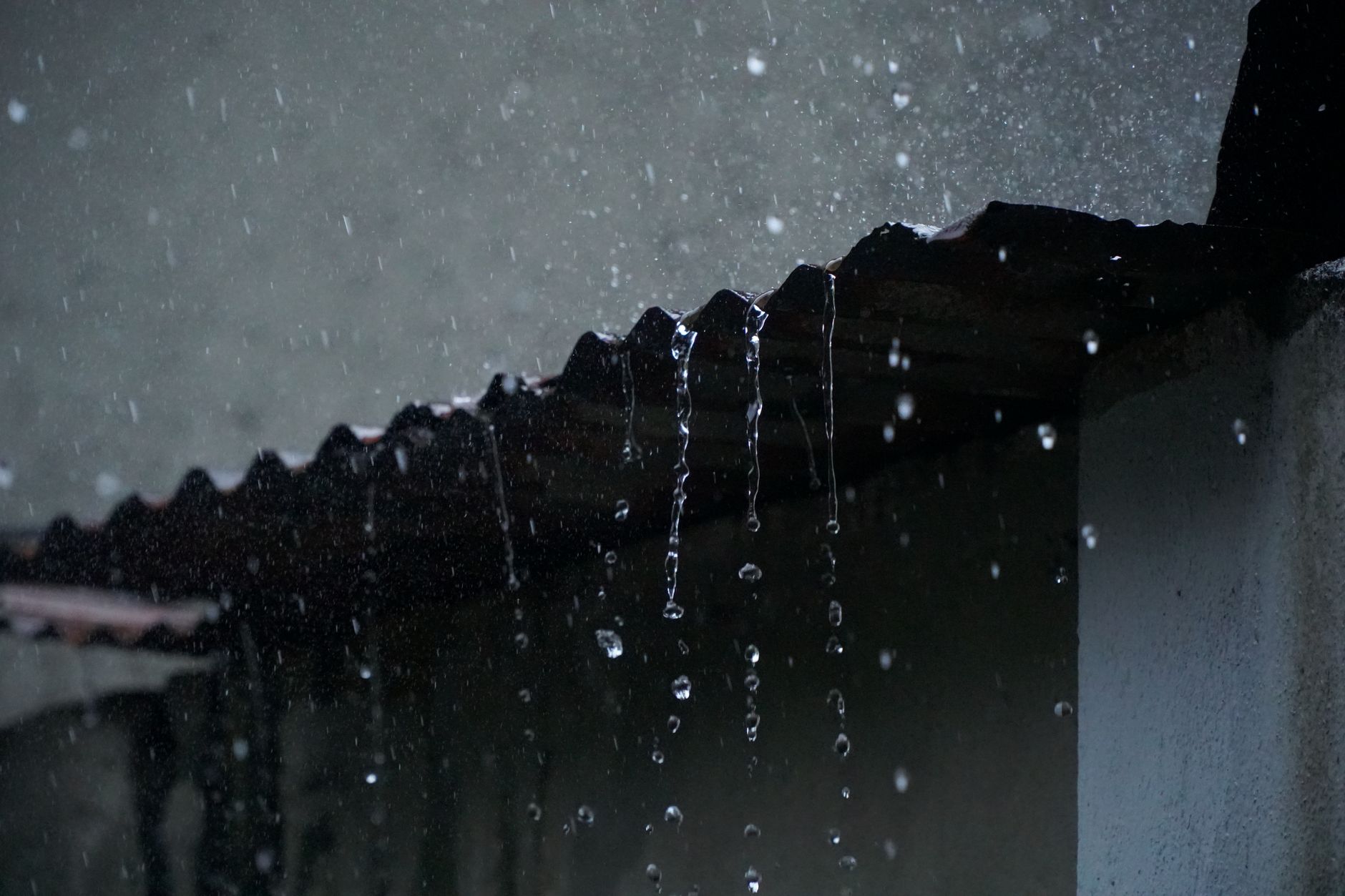
A leaking roof is a homeowner’s most pressing issue. According to the National Roofing Contractors Association (NRCA), roof leaks account for about 15% of all roofing claims, and water damage is the most frequent result. Even a small, unattended leak can lead to structural damage, mold growth, and higher energy bills.
Identifying Roof Leak Signs Early
Spotting a leak early cuts costs. Interior cues include water stains on ceilings, peeling paint, mold, musty odors, and sagging drywall. Exterior signs are granule loss on shingles, cracked or missing shingles, pooling water, and damaged flashing around chimneys, vents, and skylights. ENERGY STAR recommends regular visual checks and proper attic ventilation to reduce moisture‑related damage by up to 30%.
| Interior Warning Signs | Exterior Warning Signs |
|---|---|
| Water stains on ceilings | Granule loss on shingles |
| Peeling paint | Cracked or missing shingles |
| Musty odors | Visible water pooling |
| Mold growth | Damaged flashing |
| Sagging ceilings | Shingle separation |
Causes and Repair Cost Overview
Roof failures stem from weather, installation errors, aging materials, and animal or tree damage. Severe weather—hail, high winds, ice dams—creates immediate weak spots. Faulty flashing and improper installation account for roughly 60% of premature failures. Asphalt shingles typically last 20–30 years; animal nests, tree branches, and freeze‑thaw cycles can accelerate wear.
Repair costs vary by scope. Minor patches range from $150 to $500, flashing replacement from $1,000 to $3,000, section replacement from $1,500 to $3,500, and full shingle replacement averages $3,500 to $5,000. The National Association of Home Builders reports a national average of $950 for minor leaks, with a range of $350 to $2,500. Table below summarizes common repairs.
| Repair Type | Cost Range | Typical Timeline |
|---|---|---|
| Minor patching | $150 - $500 | Same day – 1 day |
| Flashing replacement | $1,000 - $3,000 | 1–2 days |
| Section replacement | $1,500 - $3,500 | 2–3 days |
| Full shingle replacement | $3,500 - $5,000 | 3–5 days |
Preventive Maintenance Strategies
Routine upkeep extends roof life and reduces emergency costs. Clean gutters and downspouts twice yearly, keep tree branches at least 10 feet from the roof, and schedule professional inspections annually—preferably in spring and fall. Inspect flashing, ventilation, and roof decking for loose or damaged components. Apply sealants to vulnerable areas after each inspection. NRCA recommends biannual checks to catch damage before seasonal extremes.
Insurance Claim Process for Roof Leaks
Most homeowner policies cover sudden, accidental damage such as storm‑related leaks but exclude gradual wear. Strengthen a claim by photographing damage, keeping receipts for temporary fixes, and obtaining a licensed contractor’s estimate. The Insurance Information Institute notes an average claim of around $10,000, but payouts vary with deductibles and coverage limits. If denied, request a detailed explanation and consider a public adjuster.
When to Seek Professional Assistance
DIY fixes often worsen hidden issues. Professionals bring expertise, equipment, and insurance to assess structural concerns and support insurance claims. Call experts when multiple leak sources appear, damage involves structural components, or insurance coverage is unclear. Verify licensing, references, and liability insurance before hiring.
Step‑by‑Step Roof Inspection Checklist
- Exterior surface: Look for missing or cracked shingles, granule loss, and dislodged flashing. Inspect attic and decking for water stains.
- Gutter system: Ensure gutters are debris‑free, correctly pitched, and securely fastened; check downspouts for blockages or cracks.
- Ventilation: Verify ridge, soffit, and mechanical vents are unobstructed to maintain airflow and reduce condensation.
- Attic space: Inspect insulation for dampness, check underlayment condition, and look for mold or rot signs.
- Roof edges: Examine flashing around chimneys, skylights, vents, and windows for corrosion or displacement.
- Interior indicators: Search for new water stains, peeling paint, or mold growth on ceilings and walls.
- Document findings: Photograph or note any suspect areas for future reference.
Regional Climate Considerations
Roof performance varies with climate. Snow‑heavy areas face ice dams if attic heat escapes; coastal zones experience faster metal flashing corrosion; hot, dry regions see accelerated asphalt degradation due to UV. Tailoring maintenance schedules to local weather patterns extends roof life and reduces repair frequency.
Case Study: Midwest Roof Replacement
In 2023, a homeowner in the Upper Midwest replaced a 12‑year‑old asphalt roof that had begun leaking after a severe storm. A cracked flashing section was the primary leak source. The 2‑day replacement cost $4,200, including labor and new underlayment. The homeowner reported a 25% reduction in winter heating bills and no subsequent leaks over the following four seasons.
Frequently Asked Questions
- How long does a roof repair take? Minor fixes are usually completed within a day; full replacements may require 3–5 days, depending on size and weather.
- What materials last the longest? Metal roofs can exceed 50 years; high‑grade asphalt shingles last 20–30 years; clay or concrete tiles can outlast 40 years; slate can last 75–100 years with proper maintenance.
- Do I need insurance for repairs? Many policies cover storm damage, but routine maintenance and minor repairs are often excluded. Review policy deductibles and exclusions before filing.
- When is the best time to replace a roof? Late summer or early fall is ideal for scheduling before winter or hurricane seasons; shoulder seasons may reduce labor costs by 10–15%.
- Can I replace only the damaged section? Yes, localized patching is cost‑effective but should be performed by a licensed professional to ensure proper flashing and sealing.
- How can I prevent ice dams? Ensure adequate attic insulation (R‑38 or higher) and proper ventilation; install heat cables along roof edges only temporarily; address root causes of heat escape.
- What should I do immediately after discovering a leak? Place buckets to catch water, photograph the damage, and contact a licensed roofing contractor within 24–48 hours. Temporary tarping can prevent further water intrusion until permanent repairs are made.
Planning a roofing project or seeking guidance? Consider consulting a qualified roofing professional to evaluate your options and plan the right approach.
Consider reading understanding home insulation benefits and energy‑efficient home upgrades for comprehensive property improvements.
In summary, addressing roof leaks promptly, conducting regular inspections, and working with qualified professionals can save homeowners money, protect property value, and enhance energy efficiency. Following the steps outlined above helps maintain a dry, secure roof and brings long‑term peace of mind.


