Recent wildfires and storms have underscored the growing vulnerability of residential properties to climate-related hazards. In Southern California, a wildfire burning at least 570 acres triggered evacuation orders across Orange County and damaged several homes, highlighting the immediate risks posed by intensifying fire seasons to residential structures. Meanwhile, a developing coastal storm threatened to bring flooding and beach erosion to mid-Atlantic shoreline communities, raising concerns about storm surge, wind-driven rain, and long-term foundation stress.
These incidents arrive against a backdrop of high mortgage rates, which make preserving existing home equity and avoiding costly unplanned repairs a financial priority for many households. With insurance premiums rising in these regions, investing in hardening measures is no longer just an option but a strategic necessity for maintaining property value over time.
Proactive Home Improvements for Disaster Resilience
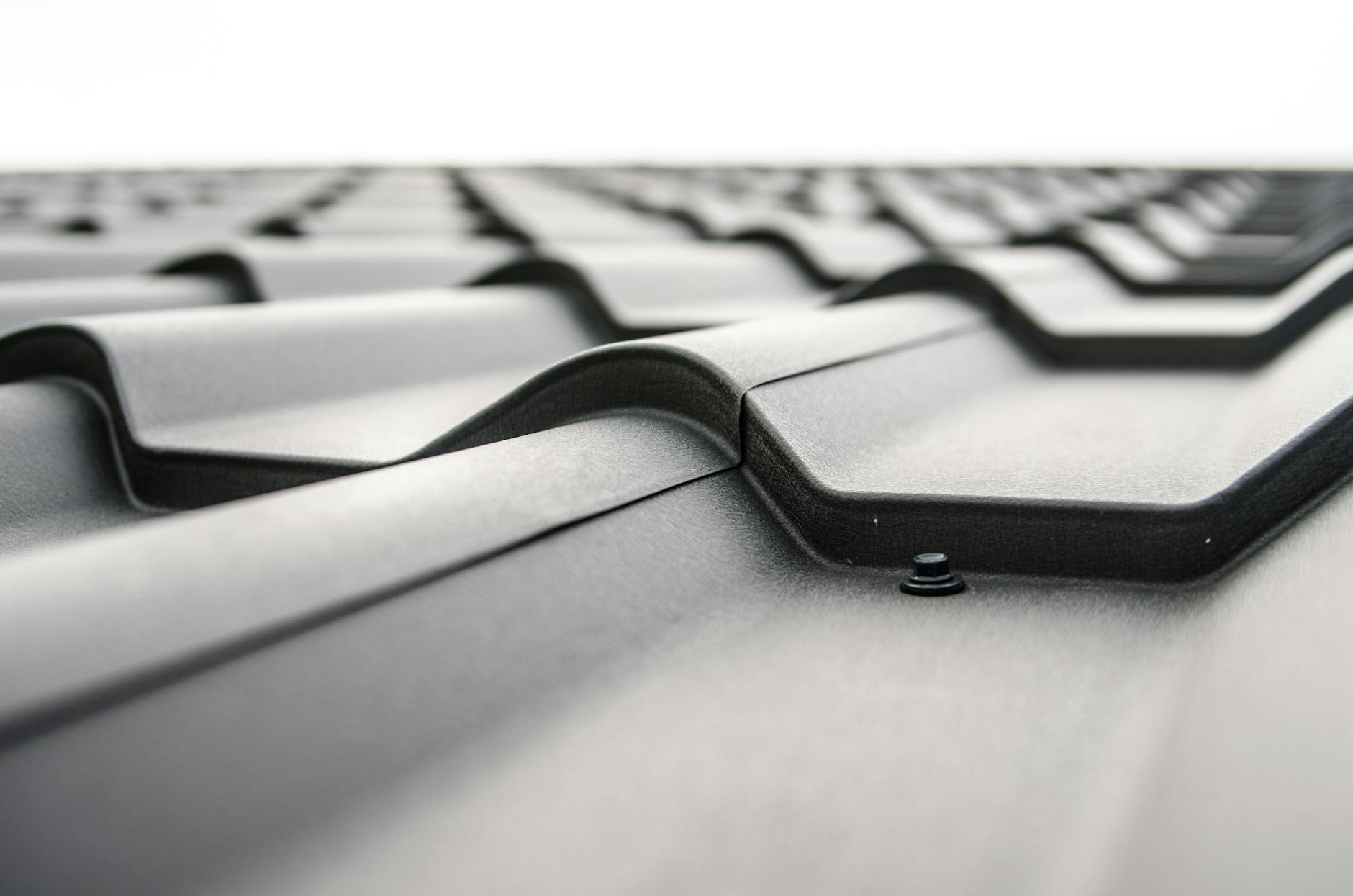
For homeowners and property managers, these trends reinforce the strategic value of proactive, durability-focused home improvements. Roofing systems rated for fire resistance and wind uplift can significantly reduce ignition risk from airborne embers during wildfire events and limit storm-related roof failure. Impact-resistant windows and doors with enhanced sealing help defend against wind-borne debris and wind-driven rain during coastal storms, while also improving thermal performance. Upgraded insulation and comprehensive air sealing tighten the building envelope, reducing moisture infiltration, stabilizing indoor temperatures, and lowering heating and cooling loads year-round.
Additional Resilience Layers
Solar installations paired with battery storage offer an additional resilience layer, enabling homes to maintain critical power during public safety power shutoffs or grid outages triggered by storms and wildfires. Beyond emergency preparedness, these upgrades deliver ongoing benefits: lower utility bills, improved indoor comfort, and stronger resale positioning.
Insurance and Regulatory Considerations
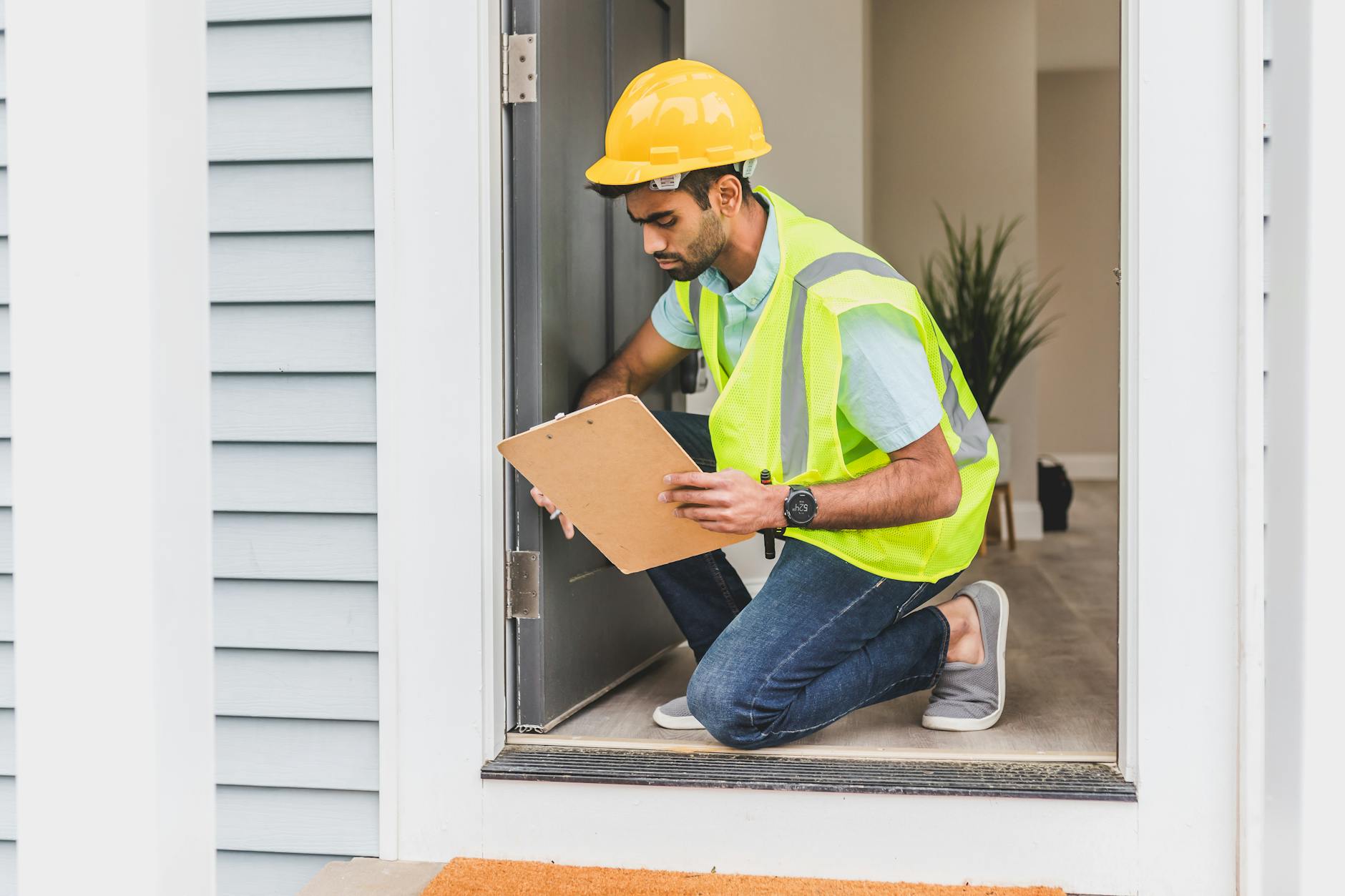
Insurance carriers are increasingly scrutinizing property risk in wildfire and flood-prone areas, making documented upgrades a potential factor in coverage eligibility and premium management. Homeowners in high-risk zones should schedule pre-season inspections of roofing, exterior cladding, gutters, and drainage systems, and prioritize materials that meet or exceed local fire and wind building codes. Failure to document compliance can result in denial of claims following an event, as underwriters require proof of mitigation efforts to accept liability for specific loss categories.
Compliance and Rebates
Compliance considerations include local wildland-urban interface (WUI) fire-resistant building codes, wind uplift ratings for roofing assemblies, impact-resistant glazing requirements in hurricane-prone zones, and floodplain management restrictions. Homeowners should also explore federal, state, and utility rebates for energy-efficient insulation, ENERGY STAR windows, and solar-plus-storage systems, while documenting upgrades for insurance underwriting and potential premium adjustments in wildfire and flood zones. Proper documentation ensures that all incentives claimed remain eligible during future audits.
| Upgrade | Benefits |
|---|---|
| Fire-resistant roofing | Reduces ignition risk from airborne embers, limits storm-related roof failure |
| Impact-resistant windows and doors | Defends against wind-borne debris, improves thermal performance |
| Upgraded insulation | Reduces moisture infiltration, stabilizes indoor temperatures, lowers heating and cooling loads |
| Solar installations with battery storage | Maintains critical power during outages, lowers utility bills, improves indoor comfort |
Evaluating your home's readiness for climate extremes can be complex. Consult a third-party expert to determine necessary retrofits for your specific structural profile.
Technical Standards and Material Ratings for Maximum Protection
Achieving true structural resilience requires aligning home improvements with recognized building science benchmarks rather than relying on standard cosmetic renovations. In wildfire-prone areas, prioritizing assemblies tested under ASTM E108 or UL 790 is vital. A Class A fire rating—the highest available classification—provides superior defense against flame penetration and surface spread. This rating is achievable using clay tiles, concrete tiles, slate, standing-seam metal roofing, or specialized fiberglass-asphalt composite shingles accompanied by fire-retardant underlayments.
For storm and wind resistance, exterior fenestrations must comply with ASTM E1886 and ASTM E1996 cyclic pressure testing, which simulate severe hurricane projectile impacts. Homeowners should evaluate Design Pressure (DP) ratings and Performance Class ratings to verify structural integrity against severe wind loads. Upgrading to a DP 50 or higher standard ensures windows and doors remain anchored and weather-tight during sustained coastal gusts and heavy atmospheric downpours. It is crucial to verify that all installation hardware meets these ratings as well; even top-tier glass can fail if not installed with compliant framing systems and fasteners.
Aligning with IBHS FORTIFIED and FEMA Guidelines
Institutes such as the Insurance Institute for Business & Home Safety (IBHS) provide actionable blueprints through the FORTIFIED Home program, which defines construction standards designed to prevent wind and water damage. In coastal zones, meeting FORTIFIED Roof standards—such as using ring-shank nails in tight patterns, sealing roof deck seams with modified bitumen tape, and installing drip edges—reduces the likelihood of catastrophic roof deck loss by more than 80% during severe storm conditions.
Similarly, FEMA P-499 (Home Builder's Guide to Coastal Construction) outlines critical strategies for structural tie-downs, continuous load path connections, and corrosion-resistant fasteners. In wildland-urban interface (WUI) zones, compliance with Chapter 7A of the California Building Code or the International Wildland-Urban Interface Code (IWUIC) mandates non-combustible exterior cladding, ember-resistant attic vents with 1/8-inch or 1/16-inch corrosion-resistant metal wire mesh, and double-paned tempered glass windows to resist thermal radiant heat exposure.
Assessing Long-Term Energy Savings and Structural ROI
Resilience investments generate dual financial benefits: catastrophic loss mitigation and recurring utility reductions. A fortified building envelope that integrates high-R-value polyisocyanurate or continuous exterior mineral wool insulation significantly minimizes thermal bridging. When paired with low-emissivity (low-E), argon-filled impact glazing, homeowners commonly observe a 12% to 25% reduction in annual heating and cooling expenses.
From an equity preservation perspective, studies by the National Institute of Building Sciences (NIBS) indicate that every $1 invested in disaster mitigation and code-exceeding resilience saves an average of $4 to $11 in post-disaster reconstruction costs. Furthermore, as property insurers adjust coverage terms across exposed regions, homes retrofitted with verified mitigation upgrades frequently qualify for premium discounts between 5% and 20%, directly offsetting capital depreciation over time.
Assessing Professional Installation vs. DIY Scope
While preventative maintenance—such as clearing combustible ground debris within the primary five-foot defensible space zone, cleaning rain gutters, or installing simple ember-resistant vent screens—can be performed directly by property owners, comprehensive resilience retrofits require licensed specialty contractors. Ensuring proper flashing details, nailing patterns, structural tie-down continuity, and building envelope vapor permeance requires engineering expertise. Improper installation of impact-resistant fenestration or roofing systems can void manufacturer warranties and fail critical municipal inspections required for insurance discounts.
Homeowners should verify that contractors maintain specialized certifications, carry comprehensive general liability and workers' compensation coverage, and provide engineered design documentation demonstrating compliance with local building codes. Engaging a professional ensures that hidden defects do not compromise the overall structural system after an event occurs.
Project Timelines, Seasonal Scheduling, and Weather Windows
Executing major envelope hardening projects requires careful seasonal coordination. Roofing replacements, siding retrofits, and window installations should ideally be scheduled outside of regional peak storm or fire seasons to minimize exposure while the building envelope is open. For coastal regions, late autumn through early spring provides optimal weather windows for major structural enhancements before peak hurricane activity.
In arid and western regions, completing exterior hardening, roof inspections, and perimeter vegetation management prior to the onset of dry late-summer Santa Ana or Diablo wind conditions is essential. Establishing an incremental project timeline allows homeowners to phase investments systematically, addressing the most critical building envelope vulnerabilities first. Delays in project scheduling due to weather events can lead to increased exposure risks while vulnerable, so flexibility is key to maximizing safety outcomes.
Maximizing Rebates, Grants, and Mitigation Incentives
Homeowners can leverage various state, federal, and utility incentive programs to offset the upfront capital expenditure of resilience upgrades. The Inflation Reduction Act (IRA) provides the Energy Efficient Home Improvement Credit (Section 25C), allowing eligible taxpayers to deduct up to 30% of costs for certified exterior doors, windows, and insulation assemblies up to established annual limits.
In high-risk areas, state-funded grant initiatives such as the California Wildfire Mitigation Program or Florida's My Safe Florida Home program provide matching grants up to $10,000 for qualifying roof fortifications, hurricane shutters, and opening protections. Reviewing local utility and resilience grants early in the planning phase enables property owners to maximize cost recovery while enhancing long-term property durability. Keeping track of application deadlines is critical, as some grant programs close annually and funds may not be retroactively approved for missed submissions.
Warranty Coverage and Documentation for Insurance Underwriting
A comprehensive resilience upgrade concludes with structured documentation. Property owners should secure both manufacturer product warranties and contractor workmanship guarantees that explicitly cover high-wind uplift, material failure, and water intrusion resistance. Collecting certified inspection reports, engineering affidavits, and photographic evidence of concealed structural components—such as ring-shank nail patterns and taped roof deck seams—ensures complete documentation for insurance underwriters.
Maintaining an organized portfolio of completed resilience certifications provides property owners with tangible leverage when negotiating insurance renewals, securing discounts, or documenting value for prospective buyers in climate-conscious real estate markets. Regularly reviewing warranty terms to ensure extended periods of coverage helps avoid gaps in protection.