With forecasts predicting a challenging winter, the intersection of inflation and rising utility costs has shifted the conversation around home maintenance. For many households, the rising cost of heating oil—coupled with an annual inflation rate of 3.7%—is turning winter preparation from a matter of comfort into a matter of financial stability. As the Social Security Administration implements a 3.6% cost-of-living adjustment (COLA) for 2027, homeowners have a narrow fiscal window to allocate capital toward improvements that reduce long-term utility dependency.
The Thermal Envelope: Understanding the Core Problem
Heat loss is not simply a symptom of cold weather; it is a structural failure. In most residential properties, the "thermal envelope"—the barrier between the conditioned air inside your home and the harsh environment outside—is often compromised. When this envelope is breached, your HVAC system must work significantly harder to maintain a set temperature, burning more fuel and accelerating equipment wear. This is the primary driver of high monthly energy bills.
Thermal bridging occurs when materials with high thermal conductivity, such as wood studs or metal frames, create a path for heat to escape. Without proper insulation, the heat generated by your furnace is effectively sucked through the walls, roof, and window seals. By reinforcing this envelope, you transform your home into a more resilient asset that requires less energy to keep stable during the peak of winter.
The Diagnostic Phase: Pinpointing Energy Waste
Before investing in renovations, it is wise to establish a baseline of where your home is losing energy. Many homeowners assume their windows are the primary culprit, when often, hidden leaks in the attic, basement, or around electrical outlets contribute more significantly to air infiltration.
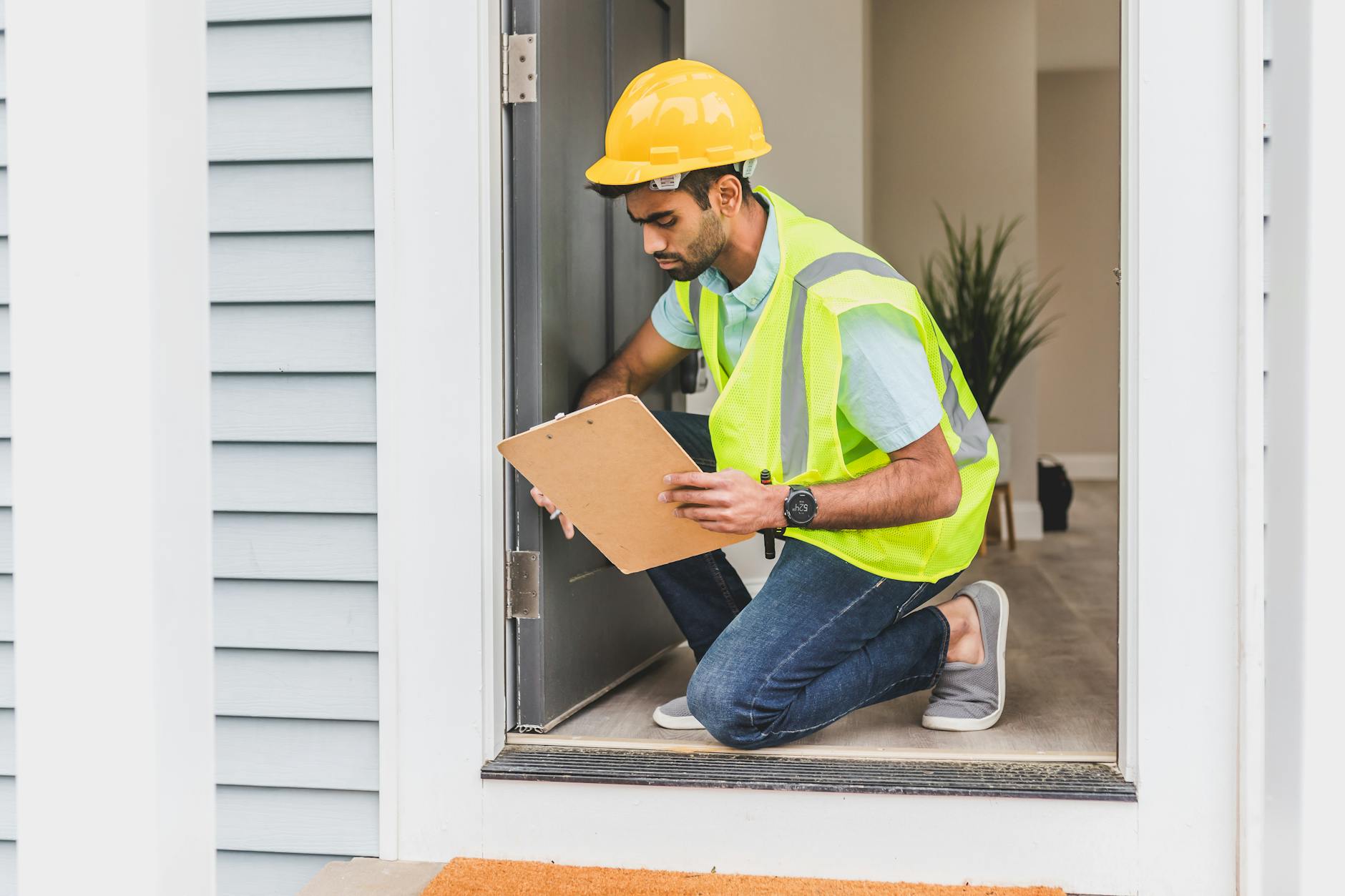
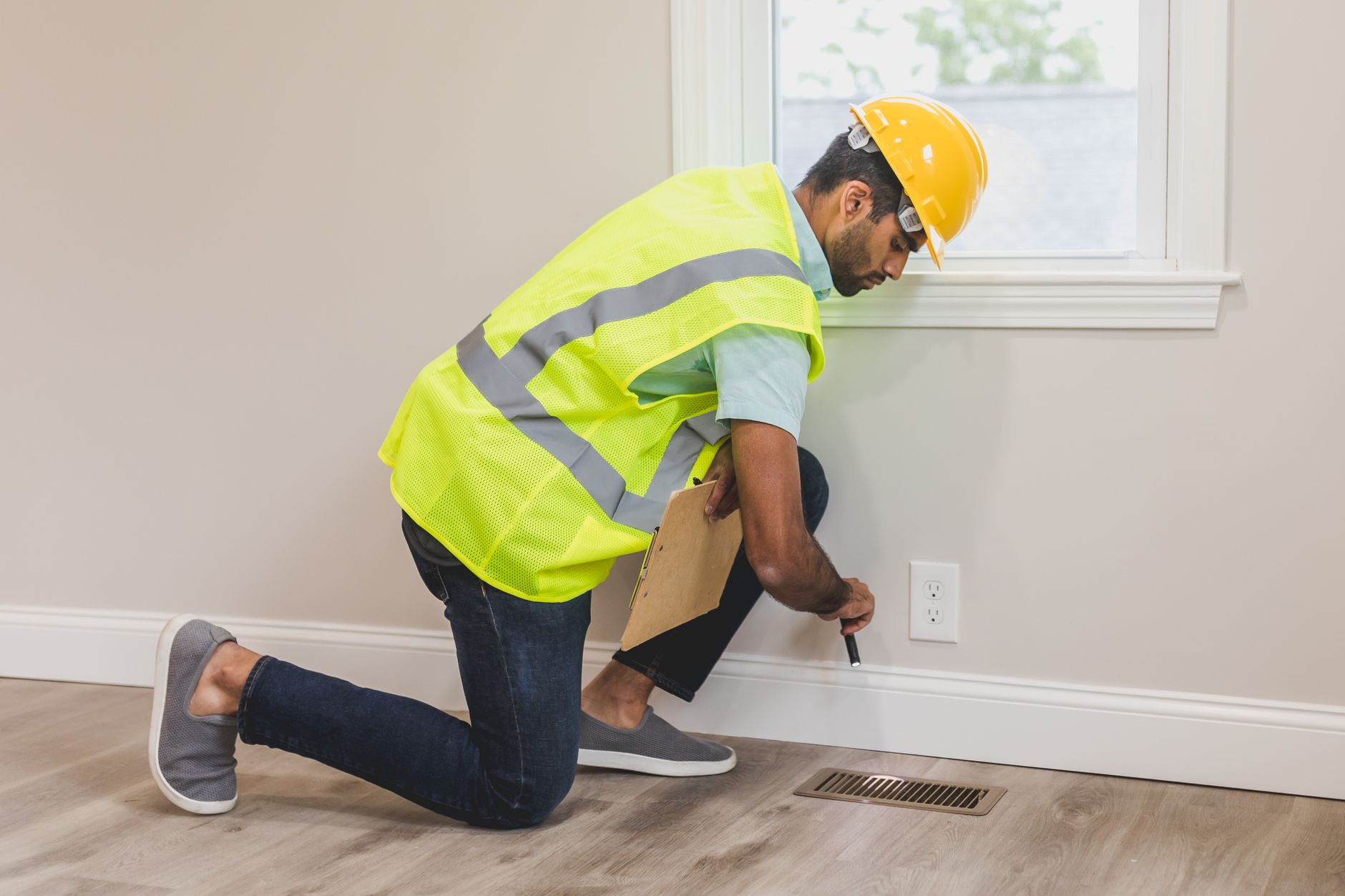
A professional energy audit is the most effective way to identify these vulnerabilities. Utilizing tools like blower door testing—which depressurizes your home to reveal exactly where outside air is entering—and infrared thermography, you can visualize thermal bridges that are invisible to the naked eye. This diagnostic approach ensures that capital is invested in the areas with the highest potential for energy savings, rather than guessing which repairs might offer the best ROI.
Want to identify the weak points in your home's thermal barrier? Consider scheduling a comprehensive home energy audit. This diagnostic process can pinpoint air leaks and thermal bridges in your attic or walls, providing a clear roadmap for prioritized maintenance.
Prioritizing Your Home Upgrades
When capital is limited, homeowners must prioritize projects that offer the highest return on investment (ROI) in terms of energy reduction. Not all upgrades are equal in their ability to mitigate the impacts of surging energy prices.
1. Attic Insulation
Heat rises. If your attic insulation is settling, thin, or improperly installed, your heating system is working against gravity to warm the rafters. Upgrading to the recommended R-value for your specific climate zone is often the most cost-effective way to immediately reduce heating demand. Whether utilizing blown-in cellulose or spray foam, establishing a consistent thermal barrier in the attic is paramount.
2. High-Efficiency Windows
Window seals deteriorate over time, leading to cold drafts and significant heat transfer. If your windows are more than 15 years old, they are likely failing to provide the insulating properties required for modern energy standards. Modern double or triple-pane units, particularly those with low-emissivity (Low-E) glass and argon gas fills, provide a necessary barrier against the cold while maintaining interior comfort.
3. Roofing and Ice Damming
A roof is more than a waterproof cover; it is a critical component of your thermal management system. Proper ventilation and roofing materials prevent heat from melting snow on the roof surface, which can lead to ice dams—a leading cause of winter water damage. A properly functioning roof, coupled with good insulation, keeps the attic temperature close to the outside temperature, preventing this cycle.
Considering an insulation upgrade? Consult with building performance advisors to discuss the specific R-values and thermal performance materials best suited for your home's unique climate zone and architectural style.
Comparative Analysis of Energy Efficiency Projects
To help visualize the potential impact of home renovations, consider the following data regarding common upgrade areas. While exact savings vary by home size and location, these averages illustrate the long-term efficiency gains.
| Upgrade Area | Primary Energy Benefit | Impact on Energy Bills | Estimated Project Lifespan |
|---|---|---|---|
| Attic Insulation | Prevents vertical heat loss | High Reduction (15-20%) | 20+ Years |
| High-Efficiency Windows | Stops conductive heat loss | Moderate Reduction (10-12%) | 25+ Years |
| Air Sealing / Weatherproofing | Eliminates air infiltration | Moderate Reduction (5-10%) | 10+ Years |
| Roofing System Update | Thermal & Structural Integrity | Low to Moderate (5-8%) | 30+ Years |
The Economic Hedge: Fighting Inflation at Home
Viewing home improvement as a financial hedge is essential. When you invest in your home's energy efficiency, you are locking in a lower energy baseline. Unlike energy costs, which fluctuate based on global market conditions and geopolitical instability, your upgraded thermal envelope remains constant. Every dollar saved on a heating bill is a dollar that can be redirected toward other financial needs.
Furthermore, the 2027 COLA increase, while helpful, may be outpaced by energy price surges if your home is inefficient. Strategic investments in building envelope improvements ensure that the cost-of-living adjustment serves as actual spending power rather than being absorbed by utility companies.
Regulatory Considerations and Tax Credits
Before initiating any renovations, homeowners should investigate federal and state-level tax credits available under current energy efficiency guidelines, such as the Energy Efficient Home Improvement Credit. Many government programs offer significant credits for improvements that meet specific R-value thresholds or ENERGY STAR ratings for building envelope components, including insulation, windows, and doors.
Building codes are evolving to prioritize energy performance. Renovating your home to exceed these minimum standards not only provides immediate savings but also increases your property value, positioning the home more favorably for future resale in a market that increasingly values energy performance metrics. Always ensure your chosen contractor is familiar with local building codes, as maintaining compliance is crucial for both safety and eligibility for financial incentives.
The Proactive Path Forward
Winter-proofing is not about panic, but about preparation. By assessing your home now—before the first hard freeze—you can identify areas that require attention and schedule professional work without the rush of emergency service calls during the peak of the heating season.
Focusing on the building envelope is a prudent, long-term strategy for any homeowner facing volatile energy markets. Whether you decide to start with a comprehensive home audit, prioritize attic insulation, or evaluate your window seals, the goal remains the same: create a home that is physically resilient to the weather and financially resilient to the costs of heating it.
A Checklist for Homeowners
As you plan your improvements, keep this implementation checklist in mind to ensure a holistic approach:
- Air Sealing: Seal gaps around plumbing, wiring penetrations, and door frames to stop drafts.
- Moisture Management: Ensure attics and crawlspaces are properly vented to prevent condensation and mold growth during winter.
- Equipment Maintenance: Before upgrading the envelope, ensure your existing HVAC system is clean and functioning at its peak efficiency.
- Professional Guidance: When in doubt, utilize the expertise of certified professionals to interpret audit findings and select the right materials.
Planning a home modernization project? We recommend researching local contractors and energy consultants who can help you review your choices and plan the right, evidence-based approach for your home's unique needs.