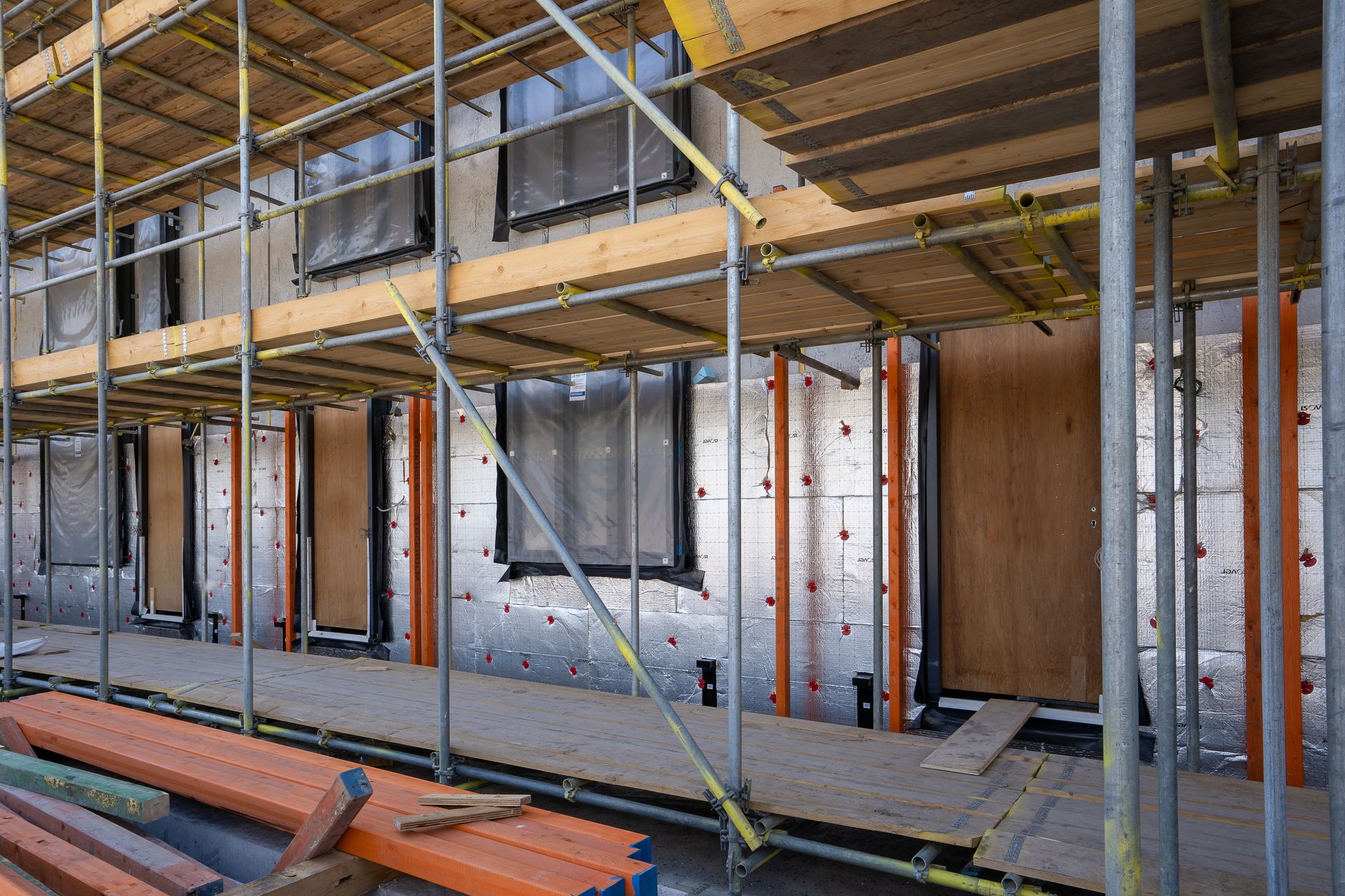
One of the most significant yet often overlooked areas of heat loss in a residential property is the roof. Industry experts consistently highlight that a substantial portion of a home's warmth can escape through an uninsulated or poorly insulated roof space. This unseen drain on energy directly impacts heating costs and indoor comfort.
It's commonly cited that up to 25% of a home's heat can be lost through the roof space if it lacks adequate insulation. This figure can vary based on the property's age, design, and existing insulation levels, but the principle remains: an uninsulated roof acts as a major thermal weakness in the building envelope.
Understanding How Heat Escapes Through the Roof
Heat transfer primarily occurs through three mechanisms: conduction, convection, and radiation. In a home, these processes work in concert to draw warmth from heated living spaces towards the colder exterior via the roof.
- Conduction: Heat moves directly through solid materials. If a roof structure lacks sufficient insulation, heat energy from the ceiling below passes through plasterboard, timber, and roofing materials relatively unimpeded.
- Convection: Warm air rises. In an uninsulated attic, heated air from the living spaces below infiltrates the roof space, warms up the attic air, and then escapes through vents, gaps, or even porous roofing materials as cooler air is drawn in from below. This creates a continuous cycle of heat loss.
- Radiation: Heat radiates from warmer surfaces to cooler ones. The warm ceiling below radiates heat upwards into a cold attic space, where it then radiates outwards through the roof structure. Effective insulation acts as a radiant barrier, significantly reducing this transfer.
Without a robust thermal barrier, the warmth generated by your heating system simply passes through the roof, forcing the system to work harder and longer to maintain comfortable indoor temperatures.
The Tangible Benefits of Effective Roof Insulation
Investing in proper roof and loft insulation offers multiple advantages for homeowners, extending beyond immediate energy savings.
Significant Energy Bill Reductions
The most immediate and tangible benefit of adequate roof insulation is a noticeable reduction in energy consumption for heating. By creating a critical barrier against heat transfer, insulation lowers the demand on heating systems. This directly translates into lower energy bills. Organisations like the Energy Saving Trust suggest that insulating a loft can save a typical UK detached home hundreds of pounds annually on heating costs, depending on factors such as fuel type and existing insulation levels.
Considering other ways to reduce your energy consumption? Explore comprehensive energy audits.
These savings accumulate over time, making insulation a financially prudent upgrade that pays for itself through sustained reductions in operational costs.
Enhanced Indoor Comfort and Thermal Stability
A well-insulated roof contributes significantly to a more comfortable living environment year-round. It helps maintain a consistent internal temperature by preventing heat from escaping in winter and, conversely, reducing heat gain from the sun in summer. This eliminates common issues such as cold spots, drafts, and rooms that feel excessively hot during warmer months. Homes become more pleasant and easier to heat efficiently.
Reduced Carbon Footprint
By lowering energy consumption, proper roof insulation directly contributes to a smaller carbon footprint. Less demand for heating means less reliance on fossil fuels, aligning with broader environmental sustainability goals. For homeowners concerned about their ecological impact, this is a practical and effective step towards greener living.
Types of Roof and Loft Insulation and Their Performance
A range of insulation materials and installation methods are available, each suited to different roof structures and thermal performance requirements. The effectiveness of insulation is typically measured by its U-value in the UK, which quantifies the rate of heat loss – a lower U-value indicates better insulation performance.
Common Insulation Options:
- Rolled Blanket Insulation: Often mineral wool (rock or glass wool) or natural alternatives like sheep's wool. These come in rolls or batts and are typically laid between and over joists in a loft space.
- Loose-Fill Insulation: Materials like cellulose, mineral wool granules, or even recycled newspaper fibres. These are blown into place, making them ideal for hard-to-reach areas, irregular joist spacing, or topping up existing insulation.
- Rigid Insulation Boards: Made from materials such as PIR (polyisocyanurate) or EPS (expanded polystyrene). These are used in applications like warm roofs, vaulted ceilings, or when insulating between rafters where space is at a premium, offering high thermal performance for their thickness.
The recommended depth for mineral wool insulation in lofts is often around 270mm to achieve optimal performance and meet current building regulation standards. For other materials, equivalent U-values would be targeted.
Comparative Overview of Insulation Types
| Insulation Type | Typical Application | Advantages | Considerations |
|---|---|---|---|
| Mineral Wool Rolls/Batts | Cold lofts (between/over joists) | Cost-effective, easy to install, non-combustible | Can be itchy, needs protective gear, can't get wet |
| Loose-Fill Insulation | Cold lofts, irregular spaces, topping up | Fills gaps effectively, good for awkward areas | Requires specialist equipment for blowing in, can settle over time |
| Rigid Insulation Boards | Warm roofs, vaulted ceilings, rafter insulation | High thermal performance for thickness, robust | More expensive, requires precise cutting, less flexible |
| Sheep's Wool Rolls | Cold lofts | Natural, breathable, good acoustic properties | More expensive than mineral wool, can be prone to pests without treatment |
Factors Influencing Heat Loss Beyond Insulation Depth
While the type and thickness of insulation are primary determinants, other elements within the roof space and building envelope also play a crucial role in overall thermal performance.
- Existing Insulation Condition: Older insulation may have settled, become compressed, or be damp, significantly reducing its effectiveness. A thorough assessment of existing material is essential.
- Thermal Bridges: These are areas where the insulation layer is interrupted by a more conductive material, such as timber joists or structural elements, creating a pathway for heat to bypass the insulation. Minimising thermal bridging is key to a continuous thermal envelope.
- Adequate Ventilation: Proper roof space ventilation is critical to prevent moisture build-up, which can lead to condensation, damp, and timber decay. However, this ventilation must be balanced to avoid compromising the thermal performance of the insulation itself, particularly in cold roof constructions.
- Airtightness: Gaps and cracks around loft hatches, pipe penetrations, or poorly sealed ceiling light fittings allow warm air to escape into the loft space. Improving the airtightness of the ceiling below the loft can dramatically reduce convective heat loss.
Addressing these factors in conjunction with insulation installation ensures a holistic approach to preventing heat loss and maximising efficiency.
Regulatory Notes and Financial Support
Homeowners undertaking roof or loft insulation projects should be aware of current UK Building Regulations, particularly Approved Document L (Conservation of fuel and power). This document sets minimum U-value requirements for thermal elements, ensuring that any new or upgraded insulation meets specified efficiency standards. Compliance is not only crucial for effective insulation but may also be necessary for future property transactions or if planning permission is required.
For more details on meeting current efficiency standards, review modern roofing solutions.
Furthermore, various government and local authority grants or schemes may be available to help offset the cost of insulation, making it a more accessible upgrade for eligible households. Programmes like ECO4 (Energy Company Obligation) and the Great British Insulation Scheme aim to improve the energy efficiency of homes, often covering insulation costs for qualifying residents. It is crucial to check eligibility criteria and application procedures through official channels or trusted advisors.
Insulation as a Foundational Upgrade for Property Value
Addressing roof heat loss is a foundational step in any comprehensive home energy efficiency upgrade. It offers a significant return on investment through sustained energy savings and enhanced property value. A well-insulated home is more attractive to potential buyers, reflecting lower running costs and improved comfort.
Beyond the immediate financial and comfort benefits, investing in robust roof insulation contributes to the long-term health and durability of your property. By managing heat and moisture effectively, you protect your home's structure from potential issues like condensation and damp-related degradation.
Interested in understanding how various home improvements can impact your property's market value? Read our insights on home upgrades and property value.
An expert assessment can identify the most effective insulation strategy for your specific roof type and property characteristics, ensuring that the chosen solution delivers optimal thermal performance and aligns with regulatory requirements. This considered approach ensures that the upgrade is not just a quick fix but a durable improvement providing peace of mind and lasting benefits.
Not sure which insulation upgrade offers the best fit for your home? Reach out to our advisors to discuss thermal performance options.